
Step back in time and immerse yourself in the rich tapestry of Northern California’s past. Yuba County holds a uniquely storied place in West Coast history—where the rushing waters of the Yuba and Feather Rivers met the feverish dreams of 1849 Gold Rush fortune seekers, diverse immigrant communities, and agricultural pioneers. Today, that vibrant legacy isn’t just preserved behind museum glass; it comes alive through a dynamic calendar of cultural heritage events and historic festivals celebrated across Marysville, Wheatland, and the surrounding foothill communities.
Whether you are a history buff, a culture enthusiast, or a family seeking engaging weekend outings, exploring Yuba County’s living history celebrations offers an unforgettable look into the traditions, architecture, and diverse cultures that built the Golden State.
1. The Tapestry of Yuba County History
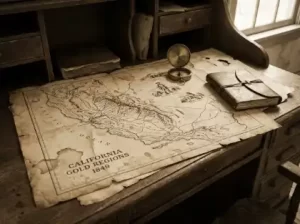
To fully appreciate the county’s annual festivals, it helps to understand the historical layers that define the region. Long before gold miners arrived, the native Nisenan people thrived along the fertile riverbanks, maintaining a deep relationship with the land that continues to be honored today.
In the mid-19th century, the discovery of gold transformed tiny river outposts into roaring hubs of commerce. Marysville quickly became known as the “Gateway to the Northern Mines,” serving as a critical steamboat port and supply center for thousands heading into the Sierra Nevada foothills. With this rapid growth came waves of immigrants from around the globe—most notably Chinese immigrants who established one of the oldest continuous Chinatowns in America, as well as European settlers, agricultural workers, and pioneer families who laid the groundwork for today’s thriving communities.
2. The Legendary Bok Kai Festival: A Historic Masterpiece
No discussion of cultural heritage in Yuba County is complete without highlighting its grandest tradition: the annual Bok Kai Festival. Celebrated in historic Marysville every spring (typically in late February or early March), this iconic event has been held continuously for over 140 years, making it one of the longest-running cultural celebrations in California.
Honoring the River God
The festival centers around the historic Bok Kai Temple (Bok Kai Miu), built in 1854 and rebuilt in 1880. The temple is dedicated to Bok Eye, the Chinese water deity who protects against floods and bestows blessings on the community. During the Gold Rush era, when river waters were vital for both mining and riverboat navigation, honoring Bok Eye was central to local life.
Festival Highlights & Activities
- The Grand Parade & Dragon Dance: The highlight of the weekend features traditional lion dancers, martial arts demonstrations, marching bands, and the famous 175-foot-long Hong Wan Lung (Great Golden Dragon), which winds through the streets of historic Chinatown.
- Firecracker Ceremony: Experience the traditional firing of lucky “bomb” firecrackers, an exciting ritual where spectators chase after lucky brass rings blasted into the air to bring good fortune for the coming year.
- Cultural Exhibits & Culinary Delights: Street vendors, authentic Asian cuisine, cultural music performances, and guided tours of the Bok Kai Temple provide visitors with an immersive cultural experience.
3. Gold Rush Days & Pioneer Heritage Celebrations
Throughout the year, Yuba County pays tribute to its mining roots and pioneer heritage through interactive living history days and community reenactments.
Living History Reenactments
Events held at local historic sites and foothill parks bring the 1850s back to life. Costumed reenactors demonstrate historic trades such as blacksmithing, gold panning along the riverbank, candle making, and traditional rope crafting. Visitors of all ages can dip their hands into a prospector’s pan to try their luck finding real gold flakes while learning about the harsh realities faced by 19th-century miners.
Pioneer Days in Wheatland
In the southern community of Wheatland, local heritage festivals highlight the town’s agricultural origins and historical milestones—such as the historic Hop Ranch agricultural developments. These family-friendly gatherings feature vintage tractor displays, craft fairs, historic walking tours, and traditional pie-baking contests that showcase small-town community pride.
4. Architectural & Historic District Walking Tours
One of the best ways to experience Yuba County’s cultural heritage during festival weekends is by simply walking through its historic districts. Marysville boasts one of the most remarkably intact 19th-century commercial downtowns in California.
D Street & Historic Downtown Marysville
During spring and summer street festivals, historic D Street transforms into a pedestrian-friendly haven. Guided walking tours lead visitors past brick Italianate storefronts, historic bank buildings, and gothic-style churches dating back to the 1850s and 1860s. Local historians share fascinating tales of famous historical figures who passed through town, including legendary stagecoach drivers, Gold Rush tycoons, and early political leaders.
The Marysville Cemetery & Ghost Tours
For those who prefer a touch of mystery with their history, seasonal autumn walking tours through the historic Marysville Cemetery tell the stories of early pioneers, prominent civic founders, and Gold Rush figures, offering a captivating glimpse into the personal stories behind the region’s history.
5. Tips for Attending Yuba County Historic Festivals
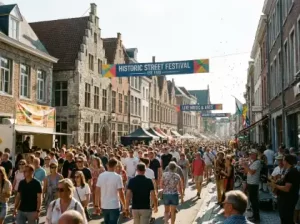
If you are planning to attend one of Yuba County’s historic celebrations, keeping a few practical tips in mind will ensure an enjoyable experience:
- Book Accommodations Early: Popular events like the Bok Kai Festival attract visitors from across Northern California and beyond. Reserve local hotel rooms or bed-and-breakfast stays well in advance.
- Arrive Early for Parking: Historic downtown streets are often closed off for parades and street fairs. Arrive early to secure parking in public lots or on adjacent residential streets.
- Bring Ear Protection for Ceremonies: The traditional firecracker ceremonies during Chinese New Year and Bok Kai celebrations can be extremely loud, making earplugs recommended for young children and sensitive listeners.
- Explore Surrounding Landmarks: Combine your festival visit with stops at nearby historical spots, such as the Mary Aaron Museum, Ellis Lake, or a scenic drive up into the Gold Rush foothill towns like Camptonville.
Preserving the Past, Celebrating the Present
Yuba County’s cultural heritage and historic festivals offer far more than just entertainment—they serve as a living bridge connecting present-day residents and visitors with the diverse generations who built this remarkable region. Whether you’re marveling at the golden dragon dancing down D Street, listening to the chime of an anvil at a pioneer living history exhibit, or exploring historic architecture, attending these community celebrations is an enriching way to experience the true spirit of Northern California.