
Nestled near the quiet banks of the Yuba River in Downtown Marysville lies one of Northern California’s most remarkable historic treasures: Marysville’s Chinatown and the legendary Bok Kai Temple. Established during the feverish height of the 1850s California Gold Rush, this district stands as one of the oldest continuous Chinese communities in North America. At its beating heart is the Bok Kai Temple—a vibrant symbol of endurance, faith, and cultural preservation that has anchored the community for over 170 years.
While many historic Chinatowns across California faded away as the Gold Rush era drew to a close, Marysville’s historic Chinatown survived, retaining its physical roots and rich cultural identity. Today, stepping onto 1st and C Streets offers visitors an authentic journey through California’s multicultural history, blending 19th-century architecture with living Taoist traditions.
1. The Birth of Marysville’s Chinatown
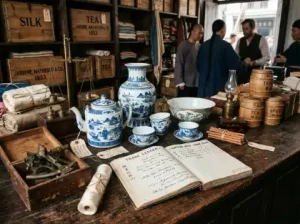
When news of gold along the Yuba and Feather Rivers spread across the globe in 1848, thousands of Chinese immigrants—primarily from Guangdong province—journeyed to California in search of “Gam Saan” (Gold Mountain). Marysville quickly emerged as a critical riverport and bustling hub, earning the title “Gateway to the Mines.” It was here that prospectors bought supplies, traded goods, and prepared for the perilous trek into the Sierra Nevada foothills.
By the early 1850s, Marysville’s Chinatown had grown into a thriving urban enclave, spanning several city blocks near the riverfront. It served as a safe haven and vital social center for thousands of Chinese workers. The district was packed with dry goods stores, herbal apothecaries, restaurants, laundries, lodgings, and social halls organized by clan and regional affiliations. At its peak, Marysville was home to one of the largest Chinese populations in the United States outside of San Francisco.
2. The Legendary Bok Kai Temple (Bok Kai Miu)
First erected in 1854 near the original river levee, the first wooden temple was destroyed by water damage and fire—a frequent hazard along the untamed rivers of early California. Undeterred, the community raised funds to rebuild a permanent structure. Completed in 1880, the present-day Bok Kai Temple (Bok Kai Miu) stands proudly at the corner of 1st and D Streets.
Dedicated to the River God
Unlike many other Chinese temples in the West that honor various deities, the Bok Kai Temple is primarily dedicated to Bok Eye (Samm Mook), the Taoist deity of water and flood control. In a river town subject to torrential winter rains and sudden snowmelt flooding, honoring Bok Eye was deeply practical. Local residents prayed to Bok Eye for protection against raging floodwaters, safe passage for riverboats, and general prosperity for the valley.
Architectural Marvels & Authentic Artifacts
The Bok Kai Temple is widely recognized as one of the most original and intact Chinese temples outside of Asia. Its exterior features authentic hand-painted murals depicting classical Chinese folklore, intricate carved wooden eves, and traditional glazed ceramic roof tiles imported directly from China in the late 19th century.
Step inside, and you are immediately transported back to the 1880s:
- The Central Altar: Home to the primary statue of Bok Eye, surrounded by secondary deities, ceremonial lanterns, and elaborate bronze incense burners.
- Intricate Murals: Rare wall paintings created using natural mineral pigments depicting scenes of Taoist immortals, dragons, and historic battles.
- Ceremonial Regalia: Historic processional banners, hand-carved wooden palanquins, gongs, and ceremonial weapons used during the historic Bok Kai parades.
3. Exploring Chinatown’s Preserved Footprint Today
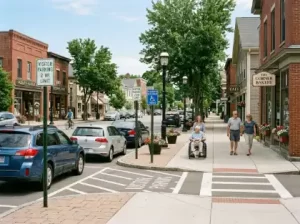
While modern development transformed much of surrounding Marysville, the core of Chinatown retains its historic layout and architectural character. Taking a self-guided walking tour around 1st and C Streets reveals subtle traces of 19th-century life.
1st Street and C Street Commercial Buildings
Walking along C Street, you will notice classic brick buildings built with thick fire-resistant walls and iron shutters—a direct response to the devastating fires that swept early mining towns. Look closely at the upper floors and recessed doorways, which once housed merchant shops, family associations, and living quarters for early Chinese settlers.
The Marysville Levee Wall
Directly behind the Bok Kai Temple towers the massive Marysville levee wall. The relationship between the temple and the levee is a powerful visual reminder of Marysville’s long struggle with river flooding and highlights why a temple dedicated to the water god was built at this exact location.
4. The Bok Kai Festival: A Living Tradition
The history of Marysville’s Chinatown isn’t merely preserved in static bricks and museum displays—it lives on during the world-famous Bok Kai Festival. Celebrated annually each spring for over 140 years, this event brings thousands of visitors to the streets of historic Chinatown.
During the weekend-long celebration, Chinatown bursts into vibrant color with traditional lion and dragon dances, martial arts demonstrations, street markets, and cultural exhibits. The festival culminates in the famous procession of Hong Wan Lung, the 175-foot-long dragon that winds through the streets to bestow blessings and prosperity on the town for the coming year.
5. Tips for Visiting Marysville’s Chinatown & Bok Kai Temple
Planning a trip to explore this iconic local landmark? Keep these practical visitor tips in mind:
- Temple Hours & Tours: While the exterior of the Bok Kai Temple and Chinatown buildings can be viewed anytime, interior access to the temple is managed by the Bok Kai Temple Committee and is primarily open during festivals, special events, or by pre-arranged private tours.
- Combine with Downtown Landmarks: Pair your visit with a walk through nearby Downtown Marysville, visiting other historic spots like the Mary Aaron Memorial Museum, Ellis Lake, and historic D Street storefronts.
- Photography Etiquette: Photography of the temple’s exterior and Chinatown streets is welcomed. If allowed inside during open house events, remember to respect the sacred nature of the altar space and refrain from flash photography near delicate ancient murals.
- Parking: Street parking is readily available along 1st Street, C Street, and near the levee access areas in Downtown Marysville.
A Lasting Monument to Heritage and Resilience
Marysville’s Historic Chinatown and the Bok Kai Temple stand as enduring testaments to the strength, vision, and cultural pride of California’s early pioneers. More than just a quiet historic district, it remains a living bridge connecting past generations to present-day visitors. Whether you are exploring the intricate murals of the temple exterior or walking the historic streets during the Bok Kai Festival, a visit to this landmark is an essential experience for anyone seeking to understand the full depth of Yuba County’s heritage.