
Tucked between the fertile Feather River basin and the rugged western slopes of the Sierra Nevada foothills, Yuba County, California, holds a foundational place in the state’s Gold Rush saga[cite: 1.2]. Long before modern highways connected Northern California’s communities, pioneer prospectors, merchants, and fortune-seekers flocked to this gateway region along the Yuba River[cite: 1.2]. Today, Yuba County remains a treasure trove of California history, filled with living heritage sites, ancient temples, and preserved 19th-century boomtowns[cite: 1.2]. Whether you are a dedicated history buff or planning a scenic Gold Country road trip, here are seven must-visit historic landmarks in Yuba County[cite: 1.2].
1. Bok Kai Temple (Marysville)
Standing near the banks of the Yuba River in Marysville, the historic Bok Kai Temple is one of California’s most remarkable cultural treasures[cite: 1.2]. Originally constructed in 1854 and rebuilt at its present site in 1880, this landmark is the oldest continuously operating Chinese temple in the United States[cite: 1.2]. Dedicated to Bok Kai, the deity of water and flood control, the temple served as a spiritual and civic anchor for thousands of Chinese immigrants who arrived during the Gold Rush[cite: 1.2]. Inside, Visitors can admire exquisite hand-painted murals, historic brass gongs, and intricate wooden altars that have survived over a century[cite: 1.2].
2. Historic Downtown Marysville & D Street District
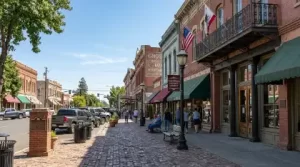
Once known as the “Hub City” of the Gold Fields, Marysville was an indispensable steamboat port and supply distribution hub for miners heading into the northern Sierra diggings[cite: 1.2]. Strolling down D Street and First Street reveals one of the most intact 19th-century brick commercial districts in Northern California[cite: 1.2]. Take in the ornate Victorian cornices, iron fire shutters, and grand brick facades that hosted trading posts, banks, and lodging houses during the 1850s boom[cite: 1.2].
3. The Mary Aaron Memorial Museum
To experience pioneer home life firsthand, visit the Mary Aaron Memorial Museum located in Marysville. Built in 1855, this striking Gothic Revival residence was one of the first brick homes constructed in the county. Today, the museum preserves an impressive collection of local artifacts, clothing, pioneer photographs, and historical documents that detail the everyday lives of Yuba County’s early settlers, merchants, and civic leaders[cite: 1.2].
4. Johnson’s Ranch & The Pioneer Trail Site (Wheatland)
Located near the southern border of Yuba County near Wheatland, Johnson’s Ranch holds immense significance in overland emigration history[cite: 1.2]. Established in the 1840s as a Mexican land grant settlement, it was the very first civilization stop encountered by weary pioneers traveling west across the Sierra Nevada mountains[cite: 1.2]. Most notably, Johnson’s Ranch served as the arrival point for rescue parties during the tragic 1846–1847 Donner Party ordeal, solidifying its place in American frontier heritage[cite: 1.2].
5. The Historic Mining Towns of Smartsville & Timbuctoo
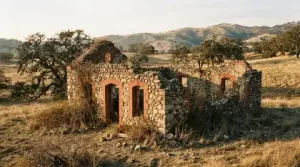
Heading east toward the Yuba County foothills leads to the historic mining settlements of Smartsville and Timbuctoo[cite: 1.2]. During the peak hydraulic mining era of the 1860s and 1870s, these bustling towns extracted millions of dollars in gold ore[cite: 1.2]. Today, visitors can view fascinating remnant structures, including the historic 1855 Stewart Bros. Brick Store in Timbuctoo—one of the oldest surviving brick commercial buildings in the region—alongside historic churches and cemetery grounds that overlook the Yuba River gorge[cite: 1.2].
6. The Wheatland Hop Riot Historical Site
History is not defined solely by 19th-century gold claims; Yuba County also played a critical role in California labor rights history[cite: 1.2]. In 1913, the Durst Hop Ranch near Wheatland became the site of the famous Wheatland Hop Riot, a pivotal confrontation between migrant agricultural workers and law enforcement over unsafe working conditions[cite: 1.2]. The national attention brought by the event sparked sweeping reforms in California farm labor legislation and worker housing standards, marking a major turning point in modern labor history[cite: 1.2].
7. Camptonville & The Pelton Wheel Legacy
Nestled deep in the northeastern foothill region of Yuba County lies Camptonville, a charming former Gold Rush trading post surrounded by lush pine forests[cite: 1.2]. Beyond its historic pioneer cabins, Camptonville is famous as the birthplace of the Pelton Wheel, invented by Lester Pelton in the late 1870s[cite: 1.2]. This revolutionary water turbine dramatically improved industrial efficiency for hydraulic mining and went on to power hydroelectric generators worldwide[cite: 1.2].
Tips for Exploring Yuba County’s Heritage Sites
- Plan Around Local Events: Time your visit during local heritage celebrations like Marysville’s annual Bok Kai Festival to experience traditional lion dances, parades, and cultural exhibits[cite: 1.2].
- Combine History with Outdoor Exploration: Many foothill mining landmarks sit near scenic hiking areas, lakes, and river parks along the Yuba River[cite: 1.2].
- Respect Historic Structure Integrity: Many historic sites in rural Yuba County are protected historical monuments or located on private acreage—always observe posted signage and stay on marked heritage trails[cite: 1.2].
Uncover the Living History of Yuba County
From ancient sacred grounds and river trade ports to quiet foothill mining towns, Yuba County’s historic landmarks offer an immersive look into California’s foundational past[cite: 1.2]. To discover more local guides, community heritage stories, and travel itineraries, explore our latest updates on Yuba County Gold Rush Days and check out our comprehensive Yuba County Neighborhood Guide[cite: 1.2]!